
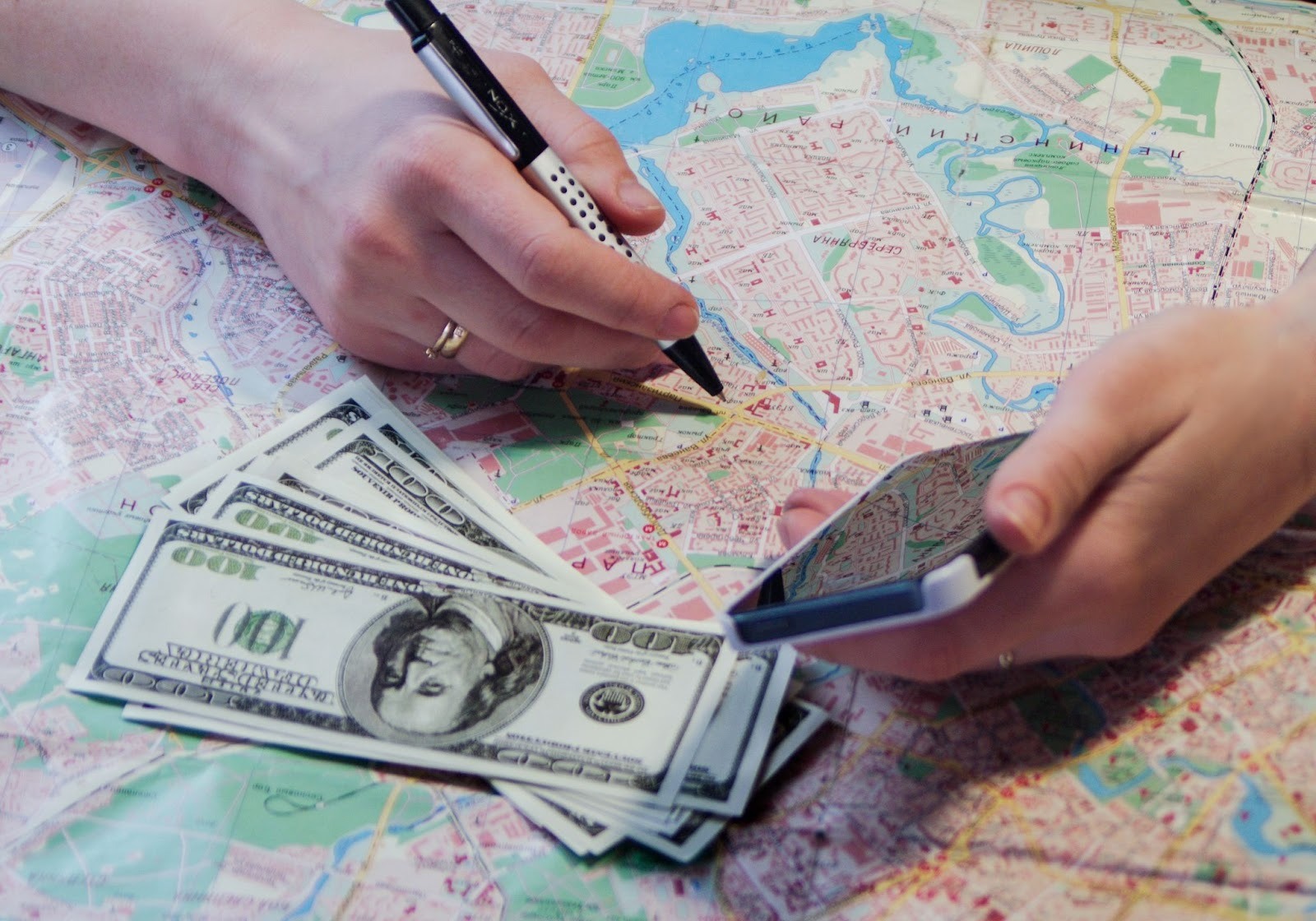
Travel is actually considered to be a luxury of the big budgeted people but in the real world, meaningful traveling can be done by just about anyone when one plans well. The idea of budget travel planning does not involve compromising comfort and fun but rather making sound decisions that will enable the traveler to see a lot at a lower cost. Budget traveling done right can be as educational, memorable and satisfying as expensive ones.
Living in the era when traveling expenses are increasing, it has become a vital skill to know how to make the most of the experiences in order to avoid excessive spending. Strategic planning allows travelers to maximize the use of their resources even when it comes to transit and accommodation, food, activities, and timing through its ability to enable them to experience rewarding and authentic journeys.
Understanding Budget Travel Planning
Budget travel planning entails planning trips keeping in mind the cost aspect without necessarily compromising on the trip experience. It uses values and not deprivation as a form of motivation whereby the travelers are encouraged to focus on what matters.
Budget travel planning entails major tenets that should be followed:
- Being more experienced over luxurious.
- Making sound financial judgments.
- Exploration of alternatives.
- Being adaptive and flexible.
- Eliminating unnecessary costs.
The travelers can save money and get more satisfaction by following these principles.
Setting a Realistic Travel Budget
Effective budget travel begins with a clear financial framework.
Defining Total Travel Costs
A comprehensive travel budget should account for:
- Transportation (flights, trains, buses)
- Accommodation
- Food and dining
- Activities and attractions
- Local transportation
- Travel insurance
- Miscellaneous expenses
Identifying these categories early prevents overspending and helps allocate funds wisely.
Prioritizing Spending Categories
Not all aspects of travel hold equal value for every traveler. Some may prioritize food and culture, while others value comfort or adventure. Allocating more funds to high-priority experiences allows for meaningful spending while cutting costs elsewhere.
Choosing Affordable Destinations
Destination selection significantly impacts overall travel expenses.
Cost of Living Considerations
Countries and cities with lower costs of living offer better value for accommodation, food, and transportation. Emerging destinations often provide rich cultural experiences at a fraction of the cost of popular tourist hubs.
Exchange Rates and Currency Value
Favorable exchange rates can make international travel more affordable. Monitoring currency trends helps travelers identify destinations where their money goes further.
Off-the-Beaten-Path Locations
Less crowded destinations often cost less while offering unique, authentic experiences. Exploring secondary cities or rural regions reduces expenses and enhances cultural immersion.
Smart Transportation Strategies
Transportation often represents one of the largest travel expenses.
Booking Affordable Flights
Cost-saving flight strategies include:
- Booking well in advance or last minute when possible
- Flying mid-week instead of weekends
- Using fare comparison tools
- Choosing alternative airports
- Traveling with carry-on luggage only
Flexibility with dates and routes can significantly reduce airfare costs.
Ground Transportation Savings
Public transportation, walking, cycling, and shared rides are budget-friendly alternatives to taxis or rental cars. Many cities offer travel passes that reduce daily transportation costs.
Budget-Friendly Accommodation Options
Accommodation choices play a crucial role in budget travel planning.
Affordable Accommodation Types
Budget-conscious travelers can consider:
- Hostels and guesthouses
- Budget hotels
- Vacation rentals
- Homestays
- University housing during holidays
Each option offers different benefits, balancing cost, comfort, and experience.
Location vs. Price Balance
Staying slightly outside city centers often reduces accommodation costs. Proximity to public transportation can offset distance while maintaining affordability.
Eating Well Without Overspending
Food is an essential part of travel experiences, and budget planning does not require compromising on quality.
Local Dining Choices
Eating where locals eat is often cheaper and more authentic than tourist-oriented restaurants. Street food markets, local cafés, and bakeries provide affordable meals with cultural flavor.
Self-Catering Strategies
Shopping at local grocery stores and preparing some meals helps control food expenses. Even occasional self-catering can significantly reduce costs.
Smart Dining Habits
Simple practices such as choosing lunch specials, avoiding expensive drinks, and sharing meals can keep dining costs manageable.
Free and Low-Cost Activities
Many of the most memorable travel experiences cost little or nothing.
Cultural and Outdoor Experiences
Budget-friendly activities include:
- Walking tours
- Museums with free entry days
- Public parks and beaches
- Festivals and local events
- Scenic hikes and viewpoints
These experiences often provide deeper cultural connections than expensive attractions.
City Passes and Discounts
Tourist passes often bundle attractions and transportation at reduced rates. Student, senior, or group discounts further increase savings.
Timing and Seasonal Travel Savings
When you travel can be just as important as where you travel.
Off-Peak and Shoulder Seasons
Traveling outside peak seasons lowers costs for flights and accommodation while offering quieter, more relaxed experiences.
Avoiding Holiday Price Surges
Prices often rise during holidays and major events. Planning trips around these periods helps avoid inflated costs.
Packing Smart to Save Money
Efficient packing supports budget travel planning.
Avoiding Extra Fees
Traveling light helps avoid baggage fees and simplifies transportation.
Preparing for the Destination
Packing essentials such as reusable water bottles, travel adapters, and weather-appropriate clothing reduces the need for costly purchases during the trip.
Using Technology for Budget Travel
Digital tools make budget travel planning more accessible than ever.
Useful tools include:
- Flight and accommodation comparison websites
- Budget tracking apps
- Offline maps and translation tools
- Travel deal alerts
Technology empowers travelers to make informed, cost-effective decisions.
Balancing Comfort and Cost
Budget travel does not mean discomfort. Strategic spending ensures comfort where it matters most.
Key balance strategies include:
- Spending more on sleep quality
- Saving on transportation through public options
- Choosing experiences over luxury upgrades
This approach maintains enjoyment without unnecessary expense.
Common Budget Travel Mistakes to Avoid
Even experienced travelers can overspend without careful planning.
Common pitfalls include:
- Overplanning paid attractions
- Ignoring hidden fees
- Exchanging currency at unfavorable rates
- Dining exclusively in tourist areas
Awareness of these mistakes helps protect travel budgets.
The Long-Term Benefits of Budget Travel Planning
Budget travel planning builds valuable life skills.
Benefits include:
- Financial awareness
- Cultural adaptability
- Problem-solving skills
- Confidence and independence
Travelers who master budget planning often travel more frequently and more meaningfully.
Final Thoughts
Budget travel planning will enable the travelers to explore the world without the strain on their wallets. Through careful decisions, a focus on meaningful experiences, and flexibility, it is possible to get the maximum enjoyment at minimum cost.
Travel does not come in terms of spending more, but in terms of the memories, connections, and insights that one gets. Budget travel is not an obstacle to greater, more frequent and more authentic travel, with intelligent planning and purposeful choices.