
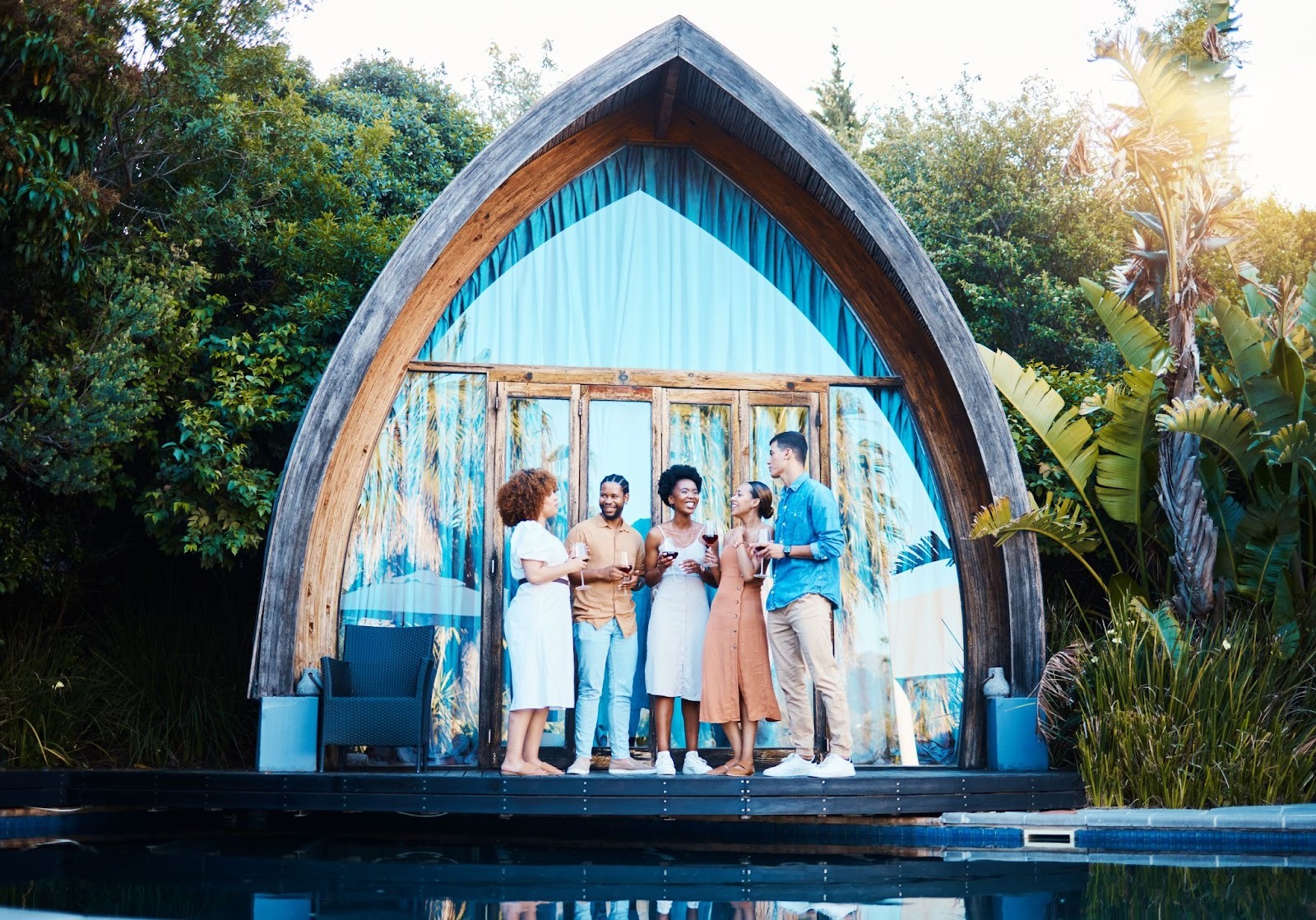
Luxury in hospitality is no longer chandelier, expensive, and five stars. The experience of staying in a luxurious place nowadays is influenced by the individual approach, emotional engagement, flawless service, and design considerations. Luxury is not just a room that the guests are reserving; it is an investment of comfort, exclusivity and experience that guests feel is so easy but so special.
Since the expectations of the travelers have changed, the standards of premium hospitality have stopped being visible opulence and have changed to subtle details, service intuitiveness, and meaningful moments. This blog will discuss what actually makes luxury stay experience what sets the premium properties on the higher standards and how contemporary hospitality provides comfort, status, and satisfaction on the very top level.
What Luxury Stay Experiences Truly Mean
Experiences of staying in a luxury do not just involve material facilities. They are a holistic view of hospitality wherein all the interactions, spaces and services are designed in a manner that will make people go beyond expectations. Luxury comes in the ease of the stay of a guest and his or her preferences being expected and the feeling of being treasured during the trip.
New luxury is centered on individuality, seclusion, predictability and emotional ease. Visitors demand experiences that are edited instead of formulaic, service that is natural instead of artificial, and experiences that are special instead of homogeneous.
Premium Hospitality Standards Explained
The standards of premium hospitality are what luxury properties are characterized by. Such standards define service training to design decisions and interactions with guests.
Premium standards at their core focus on:
Excellent analytical skills
Seamless guest experiences
High degrees of individualism
Quality in all touchpoints
Luxury properties do not only exist in terms of what they provide, but in terms of what they provide without fail and with elegance.
Architectural Design and Aesthetic Excellence
Among the initial signs of luxury is the physical environment. High end hospitality real estate invests in high designing and interior which is more focused on beauty and functionality.
The luxury spaces are characterized by well-chosen materials, spacious designs, and well-developed design themes that can be explained by the culture of the destination but at the same time retain a classical elegance. The use of lighting, textures, color schemes, and movement of space is edited in a way that encourages serenity, exclusivity, and aesthetics.
Modern luxury design does not drown guests with all sorts of extravagance; it focuses on simplicity, elegance, and deliberate simplicity.
The Role of Location and Exclusivity
Location is also a key determinant in determining the luxury stay experiences. High end properties are often located at iconic, scenic or strategically exclusive locations whether it be beachfronts, city centers, private islands or isolated natural scenes.
Exclusivity is also an issue of privacy as well as geography. Restricted access, limited inventory of rooms, personalized doors and isolated areas enable the guests to have their peace and privacy. Emotional comfort and added value to the sense of a premium experience are achieved by this sense of privacy.
Personalized Service as the Core of Luxury
Service is the heart of luxury hospitality. While amenities may impress initially, it is service that defines whether a stay feels truly luxurious.
Anticipation Over Reaction
Premium hospitality focuses on anticipating guest needs rather than reacting to requests. Staff are trained to observe preferences, remember details, and act proactively. From preferred room temperatures to dietary requirements, personalization elevates the guest experience.
Staff Professionalism and Presence
Luxury service is characterized by warmth, discretion, and confidence. Staff members are attentive without being intrusive, knowledgeable without appearing scripted, and responsive without urgency. This balance creates a relaxed yet refined environment.
Room Comfort and Private Space Standards
Guest rooms and suites in luxury properties are designed as private sanctuaries. Comfort, functionality, and aesthetics work together to create an environment that feels both indulgent and restful.
Key elements that define luxury room standards include:
High-quality bedding and customized pillow options
Spacious layouts with thoughtful zoning
Advanced climate and lighting controls
Soundproofing and privacy features
Rooms are designed to support rest, productivity, and leisure without compromise.
Bathroom and Wellness as Luxury Indicators
Bathrooms are a strong indicator of premium hospitality standards. Luxury properties treat bathrooms as wellness spaces rather than functional areas.
Features often include rainfall showers, soaking tubs, premium toiletries, plush towels, and elegant finishes. Attention to water pressure, temperature consistency, and lighting enhances comfort and usability.
Beyond in-room bathrooms, luxury stays often emphasize wellness through spas, fitness centers, meditation spaces, and holistic treatments. Wellness offerings contribute significantly to the perception of indulgence and care.
Culinary Excellence and Dining Experiences
Dining is a defining component of luxury stay experiences. Premium hospitality properties focus on culinary quality, presentation, and ambiance.
Luxury dining emphasizes:
High-quality, locally sourced ingredients
Skilled chefs and curated menus
Personalized dining options
Refined yet comfortable dining environments
In-room dining, private dining experiences, and chef-led concepts further elevate the guest experience. Food becomes not just sustenance, but a memorable part of the stay.
Technology Integration Without Complexity
Technology in luxury hospitality is designed to enhance comfort without drawing attention to itself. Guests expect modern conveniences that work seamlessly and intuitively.
Luxury properties often integrate smart systems for lighting, temperature, entertainment, and privacy controls. High-speed internet, discreet charging solutions, and digital concierge services support convenience while maintaining elegance.
The key standard is simplicity, technology should reduce effort, not add complexity.
Emotional Luxury and Guest Experience Design
True luxury is emotional. It is the feeling of being understood, valued, and cared for.
Luxury stay experiences are intentionally designed around the guest journey, from pre-arrival communication to post-departure follow-up. Personalized welcome notes, thoughtful gestures, and meaningful interactions create emotional connections that last beyond the stay.
These emotional touchpoints often define whether guests return, recommend, or remain loyal to a brand.
Sustainability and Responsibility in Luxury Hospitality
Modern luxury increasingly includes responsibility and sustainability. High-end travelers are becoming more conscious of environmental and social impact.
Premium hospitality standards now incorporate sustainable materials, energy efficiency, waste reduction, and community engagement. Responsible luxury aligns ethical practices with comfort and quality, enhancing brand trust and guest satisfaction.
Sustainability is no longer optional, it is part of contemporary luxury expectations.
Consistency and Brand Reputation
Luxury is built on consistency. Guests expect the same level of excellence across every interaction, whether they are visiting for the first time or returning.
Premium brands invest heavily in training, quality control, and operational excellence to ensure consistency. This reliability builds trust and reinforces brand reputation in a competitive hospitality market.
Who Seeks Luxury Stay Experiences?
Luxury travelers are diverse, but they share a desire for comfort, exclusivity, and meaningful experiences. They may include business leaders, leisure travelers, honeymooners, and long-stay guests who value quality over quantity.
What unites them is an appreciation for refined service, thoughtful design, and environments that respect their time, privacy, and preferences.
The Business Value of Premium Hospitality Standards
For hospitality providers, delivering luxury stay experiences creates significant long-term value. Premium standards lead to higher guest satisfaction, positive reviews, brand loyalty, and repeat bookings.
Luxury properties differentiate themselves not through price alone, but through experience. This differentiation supports sustainable revenue growth and strong market positioning.
FAQs
1. What constitutes a luxury stay experience?
A luxury stay experience encompasses personalized service, exceptional attention to detail, and environments designed for comfort and exclusivity. It is not merely about opulent amenities but creating emotional connections and memorable moments that exceed guest expectations.
2. How do modern travelers define luxury in hospitality?
Modern travelers define luxury through personalization, emotional comfort, and thoughtful design. They prioritize unique experiences over traditional markers of luxury, seeking tailored services that cater to their individual preferences and lifestyles.
Final Thoughts
The nature of luxury stay experiences is determined by the feeling of the guests, rather than what they receive. Premium hospitality standards are a combination of design, service, comfort and emotion to provide an environment where guests feel appreciated, relaxed and inspired.
Luxury in contemporary hospitality is not about extravagance anymore, it is about purpose. When the properties pay attention to the details of the places, treatment and the experiences that people enjoy, they make the stay an experience to remember. Authentic luxury is quiet, regular, and highly human, which is the pinnacle of excellence in the hospitality industry.